

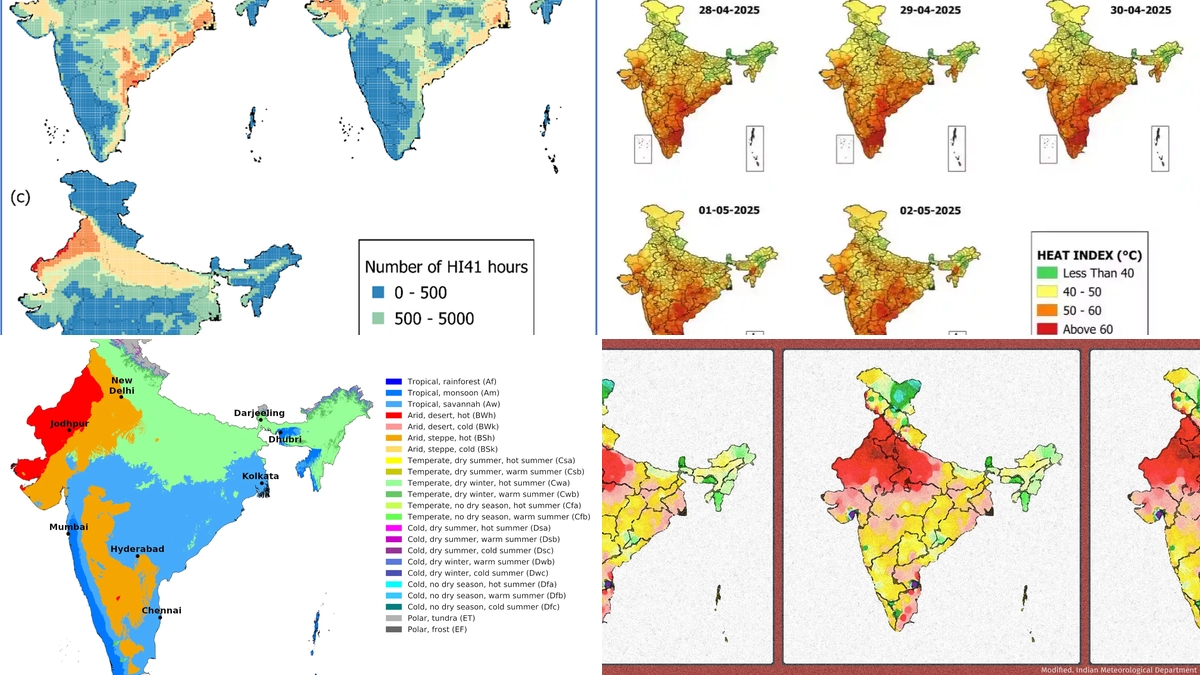
Understanding the varied humidity levels India experiences throughout the year is crucial for both residents and visitors planning their schedules. From the dry heat of the northern plains to the tropical moisture of the southern coast, the moisture content in the air dictates everything from daily comfort to agricultural cycles. In 2026, tracking these patterns helps in navigating the complex atmospheric conditions that define the subcontinent.
Seasonal patterns affecting moisture levels in India
The humid weather India faces is largely driven by its unique monsoon cycle. Between December and February, the country generally enjoys cooler and drier days, which is widely considered the best time for exploration. However, as the calendar moves toward March and May, the heat intensifies significantly, leading to a build-up of atmospheric pressure. By the time the monsoon arrives in June, the India humidity index spikes across the majority of the states.
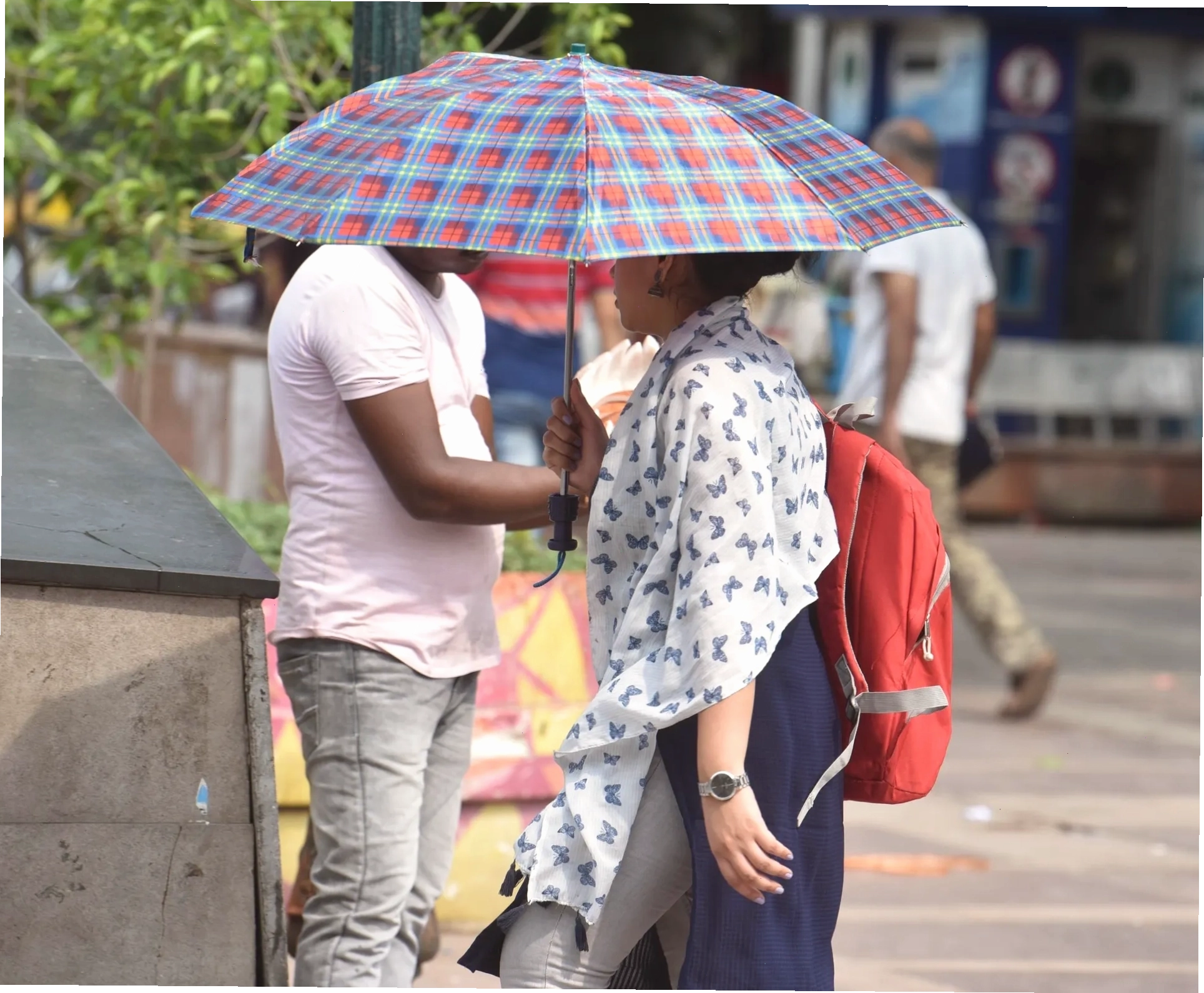
During the peak monsoon season, it is advisable to pack quick-drying clothing and waterproof gear. As noted by experts at weather india, the influx of moisture can lead to occasional transport delays and higher perceived temperatures. When the rain eases in October, the skies clear up, particularly in regions like Jaipur, offering a brief respite before the winter sets in.
Regional analysis of humidity and temperature
North India experiences much greater seasonal variation compared to the southern peninsula. In Delhi, the average temperature ranges from a cool 14°C in January to a scorching 34°C in June. While August is the wettest month with nearly 246 mm of rainfall, the air quality during winter remains a significant concern for many travelers. Monitoring daily air quality through specialized apps is recommended for those visiting the capital.
In the desert-influenced climate of Jaipur, the humidity remains relatively low for most of the year. May stands as the hottest month, while January is the least humid, providing comfortable conditions for sightseeing. Interestingly, Agra experiences a similar trend but often feels more humid than Jaipur during the summer months due to its local geography and proximity to river systems.
Statistical overview of humidity across major cities
The following table provides a comprehensive breakdown of the average annual humidity percentages for key locations across Northern, Eastern, and Southern India. These figures are essential for understanding the long-term climate trends of the region.
| City Name | State | Average Humidity % |
|---|---|---|
| Srinagar | Jammu and Kashmir | 70% |
| Kolkata | West Bengal | 71% |
| Cherrapunji | Meghalaya | 81% |
| Chennai | Tamil Nadu | 70% |
| Bangalore | Karnataka | 65% |
| New Delhi | Delhi | 54% |
| Agra | Uttar Pradesh | 56% |

Tips for managing discomfort from high humidity
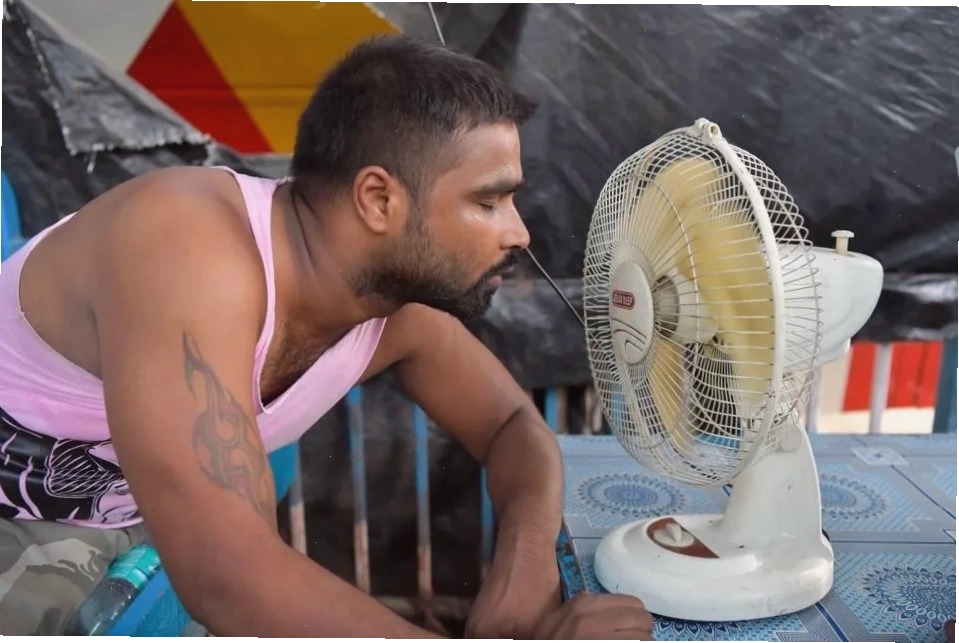
When you are feeling hot and sticky India can be challenging to navigate. To stay comfortable during the high-moisture months, it is essential to prioritize hydration and wear lightweight cotton or linen fabrics. Planning indoor activities between 12 pm and 4 pm can help you avoid the most intense combination of heat and humidity. If you experience dizziness or headaches, take immediate steps to cool down in an air-conditioned environment.
For those interested in the scientific data behind these figures, you can learn more about us and our methodology for tracking meteorological parameters. Whether you are a research scholar or a casual traveler, understanding the relationship between temperature and moisture is key to a successful stay.

Summary of Indian climate preparations
Mastering your approach to the diverse climate of India involves recognizing that weather is rarely uniform across the country. While the North offers crisp winters and dry summers, the East and South provide a more consistent tropical experience. Always check local forecasts and humidity indices before traveling to ensure you have the right gear. By respecting the power of the monsoon and the intensity of the summer sun, you can enjoy all the cultural riches this vibrant nation has to offer without being overwhelmed by the elements.